

How to Create a Resume for Remote Work Jobs
Last Updated • 24 August 2026
Finding remote work jobs is easier when your resume clearly shows that you are prepared to work independently, communicate online, and deliver results without constant supervision.
A traditional resume may list your education, previous jobs, and technical skills. But when applying for a remote position, employers often want to know something more important:
Can you work effectively without being in the same office as your team?
Your resume should help answer that question.
Whether you're searching for
remote work from home jobs
, switching to remote work for the first time, or looking for
remote work from home jobs
, this guide will help you create a resume that is clear, relevant, and ready to send.
01. Start With a Clear Professional Summary
The top of your resume should quickly explain who you are and what you do.
Keep your summary short and relevant to the role.
For example:
UX/UI Designer with experience creating user-focused digital products, brand systems, and responsive interfaces. Skilled in Figma, prototyping, and collaborating with distributed teams to deliver projects on schedule.
Avoid generic summaries such as:
Hardworking and motivated individual looking for an opportunity to grow.
This does not tell an employer what you actually do.
A stronger summary includes:
- Your profession
- Relevant experience or skills
- Your specialization
- Remote-work strengths where relevant
02. Highlight Skills That Matter in Remote Work
Remote employers look for more than technical ability.
You may also need to demonstrate that you can manage your work and communicate effectively.
Consider highlighting skills such as:
- Written communication
- Time management
- Self-management
- Digital collaboration
- Problem-solving
- Project management
- Organization
- Working across time zones
- Meeting deadlines
- Independent work
Only include skills that you can support with real experience.
Instead of filling your resume with a long list of buzzwords, choose skills that are relevant to the job.
03. Show Results, Not Just Responsibilities
One of the easiest ways to strengthen a resume is to focus on what you achieved.
For example, instead of writing:
Responsible for managing social media accounts.
Try:
Planned and managed monthly social media content across multiple platforms while coordinating with designers and marketing teams.
Where you have reliable results, include them.
For example:
Improved the website conversion flow by redesigning key landing page sections.
Or:
Delivered weekly design assets for multiple campaigns while managing deadlines across a distributed team.
Results and context help employers understand the value of your work.
04. Mention Remote Experience When You Have It
If you have worked remotely before, make it clear.
You can mention:
- Remote employment
- Freelance work
- Distributed teams
- International clients
- Online collaboration
- Working across time zones
For example:
Collaborated remotely with developers and stakeholders to deliver product updates across multiple time zones.
Even freelance projects can demonstrate that you know how to manage communication, deadlines, and independent work.
If you have never worked remotely, do not worry.
You can still highlight experiences where you worked independently or collaborated using digital tools.
This may include:
- University projects
- Freelance work
- Personal projects
- Volunteer work
- Online communities
- Internships
05. Include Relevant Tools and Software
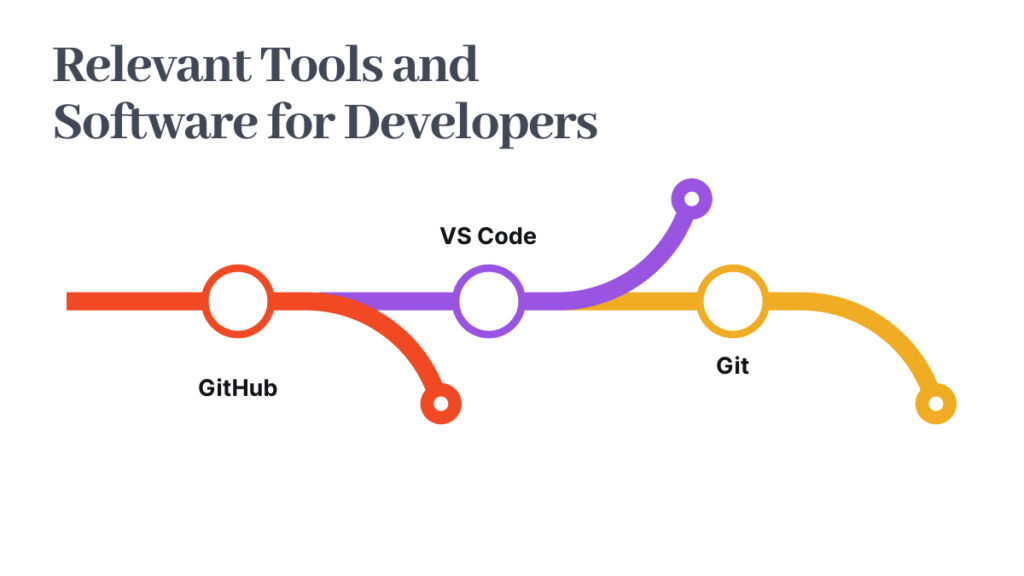
Remote teams rely heavily on digital tools.
Include the software that is relevant to your profession.
For example:
Designers
Developers
Marketing Professionals
General Remote Work
Do not add every tool you have ever opened.
Focus on the software mentioned in the job description and tools you can confidently use.
06. Tailor Your Resume for Each Job
One resume may not be perfect for every role.
Before applying, read the job description carefully.
Look for:
- Required skills
- Responsibilities
- Software
- Experience level
- Industry knowledge
Then adjust your resume to highlight the most relevant experience.
For example, if a job emphasizes collaboration, make sure your experience shows how you worked with teams.
If the role focuses on Figma, move relevant Figma projects and skills higher on the resume.
Tailoring does not mean lying.
It means making your most relevant experience easier to find.
07. Keep the Format Simple and Easy to Scan
Recruiters may review many applications in a short amount of time.
Your resume should be easy to scan.
Use:
- Clear section headings
- Consistent spacing
- Readable fonts
- Simple bullet points
- Strong visual hierarchy
Avoid:
- Excessive graphics
- Tiny text
- Complicated layouts
- Too many colors
- Long paragraphs
A clean, professional format is usually more effective than an overly designed resume.
If you work in a creative field, you can show your design personality through your portfolio while keeping the resume easy to read.
08. Add Your Portfolio and Professional Links
Make it easy for employers to find your work.
Include relevant links such as:
- Portfolio website
- LinkedIn profile
- GitHub profile
- Behance profile
- Published articles
- Professional projects
Always test your links before sending the application.
A broken portfolio link can cost you an opportunity.
09. Check Your Resume Before Applying
Before submitting your application, review your resume carefully.
Ask:
- Is my contact information correct?
- Does my professional summary match the role?
- Are my strongest skills visible?
- Have I included relevant achievements?
- Are my portfolio links working?
- Is the formatting consistent?
- Are there spelling mistakes?
- Is the document easy to read?
It can also help to ask someone else to review it.
A fresh pair of eyes may notice mistakes you missed.
10. Avoid Common Resume Mistakes
Be careful not to:
- Use the same resume for every job without reviewing it
- Include irrelevant experience without context
- Add skills you cannot demonstrate
- Use an unprofessional email address
- Write long paragraphs
- Overload the page with design elements
- Forget to include portfolio links
- Leave outdated information on your resume
Your goal is not to tell your entire life story.
Your goal is to make it easy for an employer to understand why you are a good fit.
Remote Resume Checklist
Before applying for remote work from home jobs, make sure your resume includes:
- Clear professional title
- Relevant professional summary
- Remote-work skills
- Measurable achievements where available
- Relevant tools and software
- Updated work experience
- Portfolio or professional links
- Correct contact information
- Clean and readable formatting
- No spelling or grammar errors
Final Thoughts
A strong resume is not about using complicated language or adding every skill you have ever learned.
For
remote work from home jobs
, your resume should clearly communicate what you do, what you have achieved, and how you can contribute while working independently.
Show your skills through real experience. Highlight relevant tools. Demonstrate communication and self-management. Keep the formatting simple.
Most importantly, make sure your resume is ready before the right opportunity appears.
When you're applying for competitive remote roles, being prepared can help you apply faster and make a stronger first impression.

About the Author
Abdul Rehman — Co-Founder & Technical Director, Coding Professors
Abdul Rehman is a web designer and engineer with 3+ years of experience in high-end web design and development. As Co-Founder of Coding Professors, he focuses on making technology careers more accessible through practical guidance, mentorship, and industry-focused resources.