

The Essential Skills You Need to Succeed in Remote Work
Last Updated • 28 August 2026
Finding remote work jobs is only the first step. Once you start working remotely, you need the right skills to stay productive, communicate effectively, and build trust with your team.
Remote work can offer flexibility and independence, but it also requires responsibility. You may not have a manager sitting nearby, a team meeting happening in the same room, or a clear separation between your work and personal life.
That is why employers often look beyond technical experience when hiring for
remote work from home jobs
.
They want people who can manage their time, communicate clearly, solve problems independently, and collaborate using digital tools.
Whether you are preparing for your first remote role or looking to improve your career opportunities, these are some of the essential skills you need to succeed.
01. Clear Communication
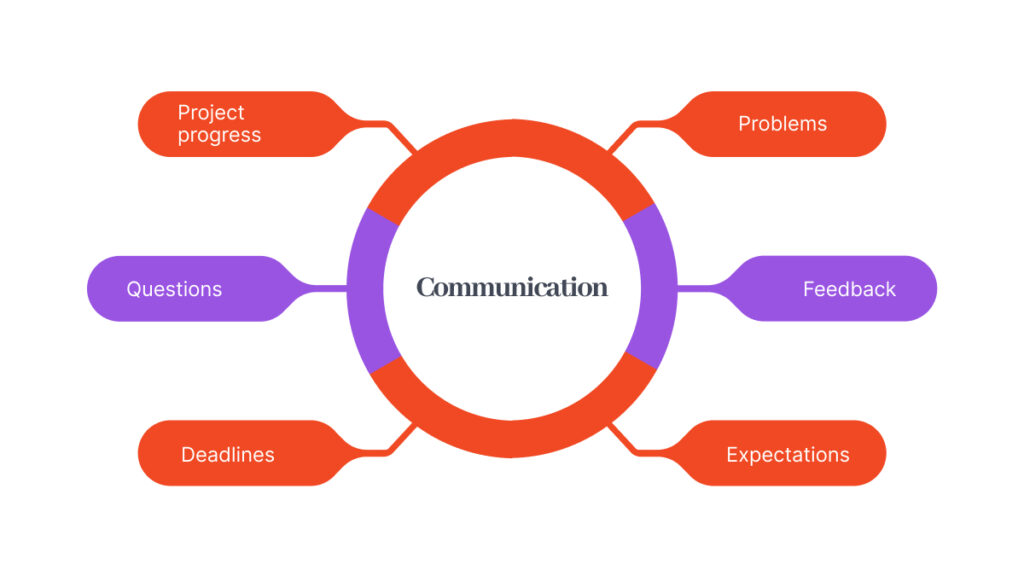
Communication is one of the most important skills in remote work.
In an office, you can quickly walk over to someone and ask a question. In a remote environment, communication often happens through messages, emails, video calls, and project management tools.
You need to communicate clearly about:
- Project progress
- Questions
- Deadlines
- Problems
- Feedback
- Expectations
Good remote communication is not about sending more messages.
It is about sending clear and useful messages.
For example, instead of saying:
I am working on it.
You could say:
I have completed the first version and am reviewing the final details. I expect to share the updated file by 3 PM.
This gives your team useful information.
02. Time Management
Remote work gives you more control over your schedule, but that also means you need to manage your time effectively.
Without a structured office environment, it can be easy to:
- Procrastinate
- Work longer than necessary
- Forget important tasks
- Lose track of deadlines
- Get distracted
Strong time management can help you stay focused without feeling overwhelmed.
Useful habits include:
- Planning your day
- Prioritizing important tasks
- Breaking large projects into smaller steps
- Setting realistic deadlines
- Using calendars and task lists
The goal is not to fill every minute with work.
The goal is to understand what needs to be done and manage your time responsibly.
03. Self-Discipline
Remote work requires a high level of personal responsibility.
You may not always have someone checking your progress.
This means you need to stay focused even when nobody is watching.
Self-discipline can include:
- Starting work on time
- Following through on commitments
- Avoiding unnecessary distractions
- Completing tasks before deadlines
- Taking responsibility for mistakes
This does not mean working constantly.
In fact, self-discipline also means knowing when to take breaks and when to stop working.
A sustainable routine can help you perform better over time.
04. Digital Collaboration
Remote teams depend on digital tools to work together.
Depending on your role, you may use platforms for:
- Messaging
- Video meetings
- File sharing
- Task management
- Documentation
- Design collaboration
- Code collaboration
Common examples include:
You do not need to know every platform.
But you should be comfortable learning new tools and using technology to stay connected with your team.
05. Written Communication
Written communication deserves special attention because remote work often depends heavily on messages and documentation.
A clear message can prevent confusion.
Before sending an important message, check:
- Is my point clear?
- Does the person have enough context?
- Have I explained the next step?
- Is the tone professional?
- Is the message too long?
Good writing can save time for everyone.
Try to keep messages direct, organized, and easy to understand.
06. Problem-Solving
Remote employees are often expected to handle small problems independently before escalating them.
This does not mean you should never ask for help.
It means you should think through the problem first.
A useful approach is:
1. Understand the problem.
2. Review the available information.
3. Try reasonable solutions.
4. Identify what is blocking you.
5. Ask for specific help when needed.
For example, instead of saying:
This is not working.
You could say:
I tested two possible solutions, but the issue still occurs when the file is exported. I believe the problem may be related to the source settings. Could you help me confirm that?
This shows initiative and makes it easier for others to help you.
07. Adaptability
Remote work can change quickly.
You may need to:
- Learn new tools
- Work with new team members
- Adjust to different time zones
- Change priorities
- Follow new processes
Being adaptable does not mean accepting every change without question.
It means being able to adjust and continue working effectively when circumstances change.
Employers value people who can learn, improve, and respond calmly to new situations.
08. Organization
Good organization helps remote professionals stay in control of their work.
When files, messages, tasks, and meetings are spread across different platforms, poor organization can create unnecessary stress.
Useful habits include:
- Naming files clearly
- Organizing folders
- Keeping task lists updated
- Maintaining calendars
- Documenting important decisions
- Reviewing priorities regularly
A simple system is often enough.
The best organizational method is the one you can maintain consistently.
09. Accountability
In remote work, trust is extremely important.
Your team needs to know that when you commit to something, you will follow through.
Accountability means:
- Meeting deadlines
- Communicating delays early
- Taking ownership of mistakes
- Keeping commitments
- Providing honest updates
If you cannot complete something on time, communicate as early as possible.
Do not wait until the deadline has passed.
A simple update can protect trust:
I am still working on the project, but I need additional time to complete the final review. I can deliver it tomorrow morning.
Being honest is usually better than disappearing or making unrealistic promises.
10. Ability to Work Independently
One of the biggest advantages of remote work is independence.
But independence also requires confidence.
You should be able to:
- Understand your priorities
- Start tasks without constant instructions
- Make reasonable decisions
- Research information
- Manage your workload
- Know when to ask for support
The goal is not to work alone all the time.
Successful remote workers know how to balance independent work with collaboration.
11. Video Meeting Skills
Video calls are a common part of remote work.
You do not need to become a professional presenter, but you should be comfortable participating in online meetings.
Practice:
- Joining meetings on time
- Testing your microphone and camera
- Speaking clearly
- Listening carefully
- Taking notes
- Sharing your screen when necessary
- Avoiding unnecessary distractions
Simple preparation can make online meetings more productive.
12. Emotional Awareness and Professionalism
Remote communication can sometimes create misunderstandings because people cannot always see body language or tone.
Being aware of how you communicate can help.
Try to:
- Read messages carefully
- Avoid reacting emotionally to short messages
- Ask for clarification when needed
- Give feedback respectfully
- Assume positive intent when possible
Professionalism is especially important when working with people from different cultures and communication styles.
13. Tech Confidence
You do not need to be a technology expert to work remotely.
However, you should be comfortable solving basic technical problems.
This can include:
- Managing files
- Using cloud storage
- Installing software
- Joining video calls
- Updating applications
- Troubleshooting basic issues
- Managing passwords securely
The ability to learn new software can also make you more valuable when applying for remote work jobs.
14. Focus and Boundary Management
Working from home can blur the line between work and personal life.
You may face distractions from:
- Social media
- Family members
- Household tasks
- Notifications
- Entertainment
At the same time, some remote workers struggle to stop working.
Creating boundaries can help.
For example:
- Set working hours
- Create a dedicated workspace
- Take regular breaks
- Turn off work notifications when your day ends
- Communicate your availability
A healthy remote routine should support both productivity and personal time.
15. Continuous Learning
The remote job market changes quickly.
New tools, technologies, and working methods continue to create new opportunities.
Develop a habit of learning.
You can improve through:
- Online courses
- Personal projects
- Tutorials
- Professional communities
- Books and articles
- Practice
For people exploring technology careers,
CodingProfessors
can also be a useful resource for developing skills and discovering career opportunities.
You do not need to learn everything at once.
Choose skills that support the type of work you want to do.
How to Build Remote Work Skills Before You Get Hired
You do not need a remote job to start practicing remote-work skills.
You can build experience by:
- Completing online projects
- Working with collaborators remotely
- Using project management tools
- Participating in online communities
- Building a personal portfolio
- Taking part in open-source projects
- Managing freelance or volunteer work
The goal is to create examples you can discuss during future job interviews.
For example, you can demonstrate time management by explaining how you completed a personal project.
You can demonstrate collaboration by discussing an online group project.
Experience does not always need to come from a traditional office.
Remote Work Skills Checklist
Before applying for remote work from home jobs, consider whether you are developing:
- Clear communication
- Written communication
- Time management
- Self-discipline
- Digital collaboration
- Problem-solving
- Adaptability
- Organization
- Accountability
- Independent work
- Technology confidence
- Professional communication
Final Thoughts
Technical skills may help you qualify for a role, but remote-work skills can help you succeed once you get hired.
The strongest remote professionals are not necessarily the people who know the most tools.
They are often the people who communicate clearly, manage their time responsibly, solve problems, and build trust with their teams.
Start developing these skills before your next opportunity appears.
The more prepared you are, the more confident you can become when applying for remote jobs hiring immediately or long-term remote career opportunities.
Remote work gives you independence.
The right skills help you use that independence successfully.

About the Author
Abdul Rehman — Co-Founder & Technical Director, Coding Professors
Abdul Rehman is a web designer and engineer with 3+ years of experience in high-end web design and development. As Co-Founder of Coding Professors, he focuses on making technology careers more accessible through practical guidance, mentorship, and industry-focused resources.